I recently considered attending a supper-club style BYO event built around a single question: 'What is the future of the sommelier?'
Good question, I thought.
With drinking culture relaxing, allergies to degustations on the rise, and storytelling valued over status, the role has shifted from gatekeeper to guide, from fine-dining theatrics to something more user-friendly. More human. Less… precious.
This ‘evolution’ hasn’t been subtle. Between financial obliteration and a steady run of closures, the Australian sommelier hasn’t so much recalibrated as been shoved into it.
Is this a reset? A reinvention? Will the phoenix rise, or is this the slow burn of long COVID, finally finishing the job?
Either way, the hangover has been impossible to shake. Neither tomato juice nor spicy Sichuan food has done shit. Between 2020 and now, many high-level beverage roles quietly disappeared, alongside generous head spends and the middle-class chop houses that sustained them. Labelled a “luxury position,” sommeliers are usually first to go.
Defeated by the need to repeatedly justify their worth, many never returned. Some re-emerged as squeaky new sales reps. Others got pissed off enough that the fluorescent lights of a nine-to-five pulled them in (catfished, I’m sure) – anything to avoid the pitiful life of an unwanted wine consigliere.
It’s a tough gig. Long hours. Study. Silent character assessments. Body aches. Modest pay (modestly shit). The service industry has always belonged to the romantically obsessed: equal parts excess, Raveneau allocations and ego. All framed as confidence.
Fast-forward to 2025. The country is broke. So are restaurateurs. Binge drinking’s down, quality drinking's up, and wine now signals lifestyle and sub-culture, not wealth or status.
Even though Australian wine (despite its own struggles) is in the strongest place it’s ever been for quality and individuality, the question remains: What of the sommeliers?
Personally, as one of the sommeliers who ditched the floor in 2023, ragging and disillusioned, I figured I might not be the best person to hold the crystal ball. Instead, I called three people who represent evolving sommelier archetypes and asked them where they think Australian wine service is headed.
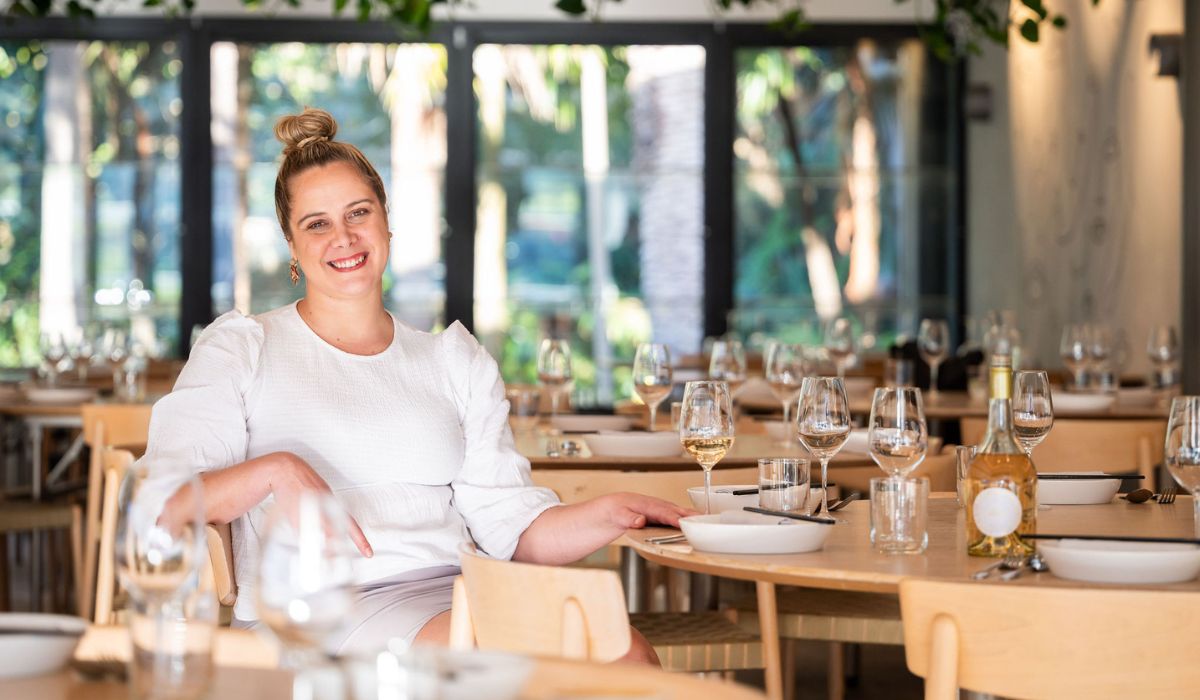
The President: Louella Mathews
Group Beverage Manager and Sommelier at Trippas White Group, President of Sommeliers AustraliaIf the ‘new’ Australian sommelier is being born, Louella Mathews is helping deliver it.
For Louella, the shift is neither stylistic nor materialistic – it’s structural. “I’m kind of loving where Australia is going,” she says, adding that the role is “turning into serious professional territory.” Where wine service was once a young man’s game, measured by encyclopaedic knowledge, price signaling and vocabulary, she sees the recent shake-up (and cull) as an opportunity to mature into something broader and more durable.
The old model ran out of road. “The problem with the traditional role is that it has a ceiling,” she says. She remembers chasing the title of head sommelier in her twenties, achieving it, then asking the uncomfortable question about trajectory. “There wasn’t really any chatter about what’s next.”
What’s emerging now is a different pathway. Not sommeliers as glorified salespeople, but as business-minded operators. “Sommelier is a pathway; you don’t have to be a restaurant manager to progress anymore,” she says. The modern sommelier understands beverage margins, guest psychology, food, staffing and culture. “A good sommelier doesn’t just care about wine. They care about everything.”
That broader skill set, however, is often neither recognised nor respected, and certainly not protected. During COVID, and the subsequent cost-cutting, beverage leadership was often first on the chopping block. “The first positions that get cut are beverage, every time,” Louella says. “The first thing to go… the group sommelier.”
The irony, she notes, is that sommeliers are proven value drivers. A dedicated beverage professional can lift wine sales by 15–20 per cent – yet their contribution remains routinely undervalued. In losing those roles, the industry didn’t just lose labour; it lost leadership, mentorship and middle management.
What replaces it, Louella believes, depends on whether the profession can articulate its worth – not just romantically, but commercially and culturally.
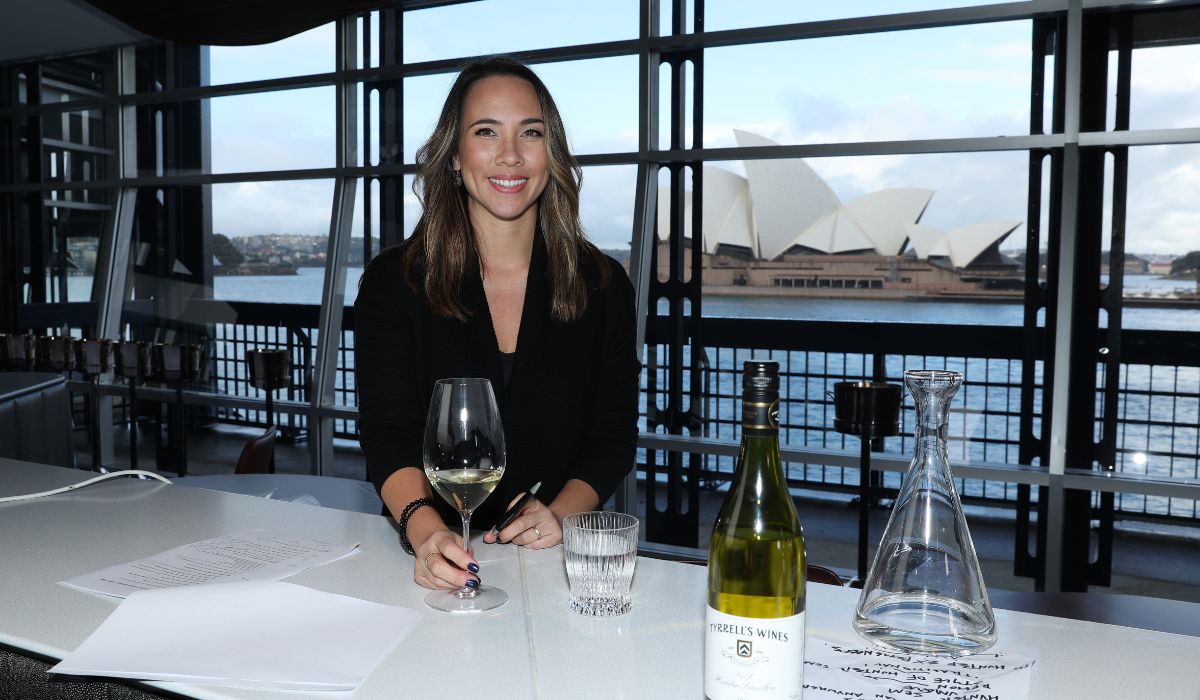
The Translator: Shanteh Wale
Halliday taster, wine writer, podcast host, and former Head Sommelier at Quay restaurantFor Shanteh Wale, the truths of wine service haven’t changed, and they won’t. It’s the delivery that needs a jump start. “A sommelier is nothing if not a medium between seeking and finding,” she says. Guests arrive seeking a good drink; the job is to find it for them. Everything else is decoration.
Simplicity, however, requires restraint. The best sommeliers, Shanteh argues, are translators, not testers. “They will pick up what you're putting down.” They know how to filter themselves. Most of their knowledge is irrelevant during service. Knowing when to speak – and when not to – is the job.
The skill, Shanteh says, lies in adaptability – particularly in what sommeliers choose to leave behind. The lingering view of wine as a symbol of class and education, she believes, is over. Archaic, even. Wine is no longer highbrow. And so, a new culture must settle.
Similarly, Shanteh believes service doesn’t need to be “tight-lipped and ramrod straight”. Australian culture is “casual, laid-back… we have a very fun attitude about things”. Service of wine should be the same.
She adds that Australian wine quality has landed into a new era. Our country’s wines have found their place and their true style within each landscape, she says. If the wines have shaken a time of imitation, so too should service.
For Shanteh, that means storytelling rooted in honesty and connection: reading the room, asking the right questions, and delivering exactly what the moment calls for.
“There’s still romance in the role,” she says. It just looks more like humanity than hierarchy.
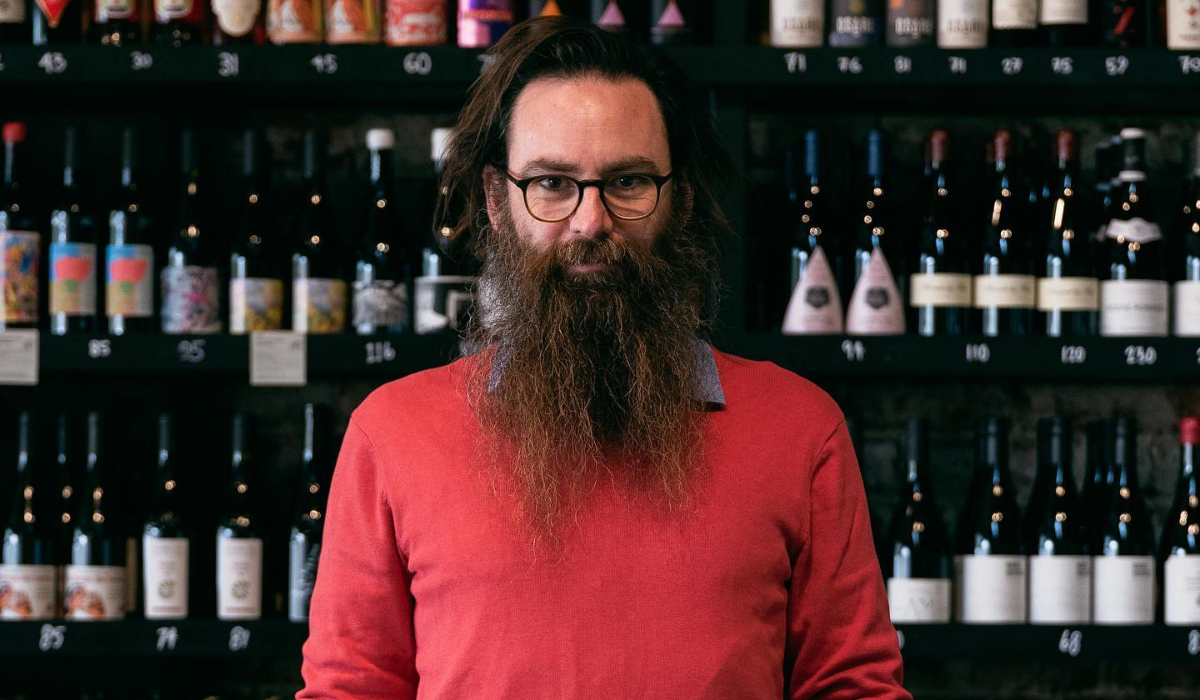
The Everyday Sommelier: Trent Everitt
Sommelier at Besk and wine educator“If rules get in the way of people enjoying wine, I reject the rules.”
For Trent Everitt, that sentence neatly sums up modern wine service. But that rejection isn’t rebellion – it’s empathy. To him, the modern Australian sommelier is informed, nimble, and self-aware enough to step aside when necessary. Before discarding the rules, however, he believes you need to understand them.
He’s broadly supportive of the new wave of street-sommeliers rejecting old, Euro-centric service styles. All wines (‘natty’ included) and all sommelier types have a place. But foundations still matter. “You need to know the classics before you can understand what you’re rejecting.”
Progression, for Trent, isn’t the abandonment of knowledge. Taken together, he believes wine, and its drinkers, have become “more democratic… less a status symbol and more a shared pleasure,” and service needs to reflect that shift. The future of the Australian sommelier isn’t to impress, but to connect.
And without a strong appellation (or class) system in Australia, much of the responsibility for quality and regional understanding falls to sommeliers themselves. They must understand Australian producers, landscapes and individual drinkers, then translate that knowledge in ways that resonate.
Stripped back, Trent says the job is to “spark interest in people – make them thirsty for more wine, more knowledge, more stories,” while ultimately creating comfort and safety.
Just like Australian wine, wine service is being forced to reckon with the current reality. If our wines have finally shaken imitation in favour of identity, then service must follow. The future Australian sommelier doesn’t need European theatrics, inherited high-brow hierarchies, or internal rebellions. They need to translate Australian wine honestly, in plain language.
This moment in time demands sommeliers who are business literate, culturally fluent and emotionally intelligent. Not gatekeepers of knowledge, but interpreters of place.
The phoenix, if it rises, won’t arrive in uniform, nor carry the same ideologies. It will be practical. Multicultural. Empathetic. And, in doing so, deeply Australian.
This article first appeared in issue #82 of Halliday magazine. To receive the magazine, unlock digital access to over 190,000 tasting notes, and more, become a member now.
Subscribe to the Halliday Wine Companion Podcast
Hear from some of Australia's top winemakers and industry professionals as they share their stories and insights on the Halliday Wine Companion Podcast. Listen here, or on your usual podcast platform, and remember to rate, share and subscribe so you never miss an episode.
Latest Articles
-
Wine Lists
Autumn has arrived, so here are 11 shiraz wines for you to try
2 days ago -
From the tasting team
Steadfast shiraz: Katrina Butler on the challenges facing Australian shiraz
2 days ago -
News
With Julian Grounds at the helm, Stonier is better than ever – as the 2025 release proves
6 May 2026 -
Wine Lists
Spotlighting eight white wines from across Australia (all rated 93–96 points!)
6 May 2026