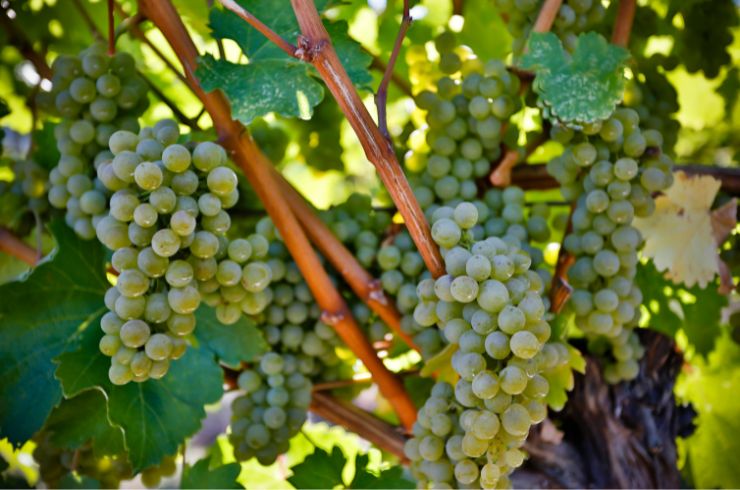
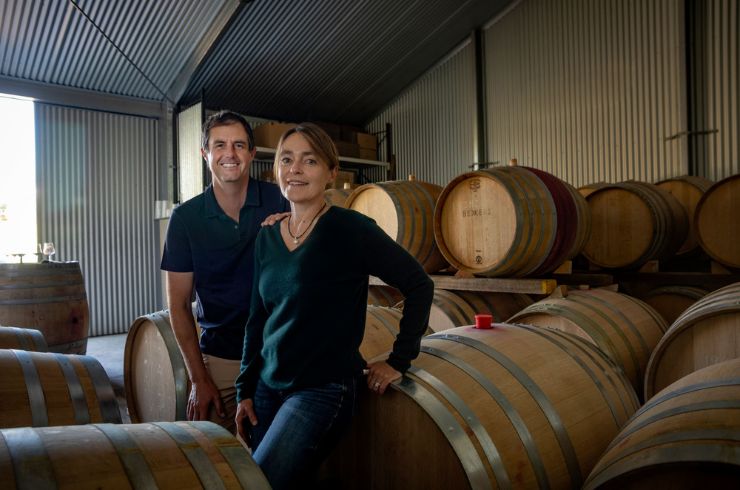
"It is just such a wonderful, ethereal, medium-bodied, expressive variety,” says Julian Langworthy of Nocturne and Deep Woods. “But you need sympathetic viticulture and careful site selection. Margaret River has the perfect climate for it – you get beautiful tannin ripeness. And we’re making much more seductive and supple wines than a decade ago. I think there are some great conversations to be had about how cerebral the variety is, about how special it is.”
Cabernet sauvignon wasn’t even a twinkle in its parents’ eyes – cabernet franc and sauvignon blanc – when the grape growing in the so-called New World – in both South America and a little later in South Africa – was happening in earnest. Bordeaux’s fabled Médoc was also largely unplantable marshland in the 17th century, taking the aqua-manipulation expertise of Dutch merchants to render the land arable.
Likely a spontaneous crossbreeding in the 1600s, cabernet was swiftly adopted in the 18th century for favourable properties of disease and frost resistance, and for being a consistent cropper. However, it wasn’t until the phylloxera epidemic of the 19th century, then the devastating frost of 1956, that it asserted dominance of the Left Bank, being chosen for replanting ahead of malbec and a slew of Bordeaux’s now mostly forgotten, and mostly extinct, ancient grapes. The variety was still a relative pup in 1832 when James Busby brought it to these shores.
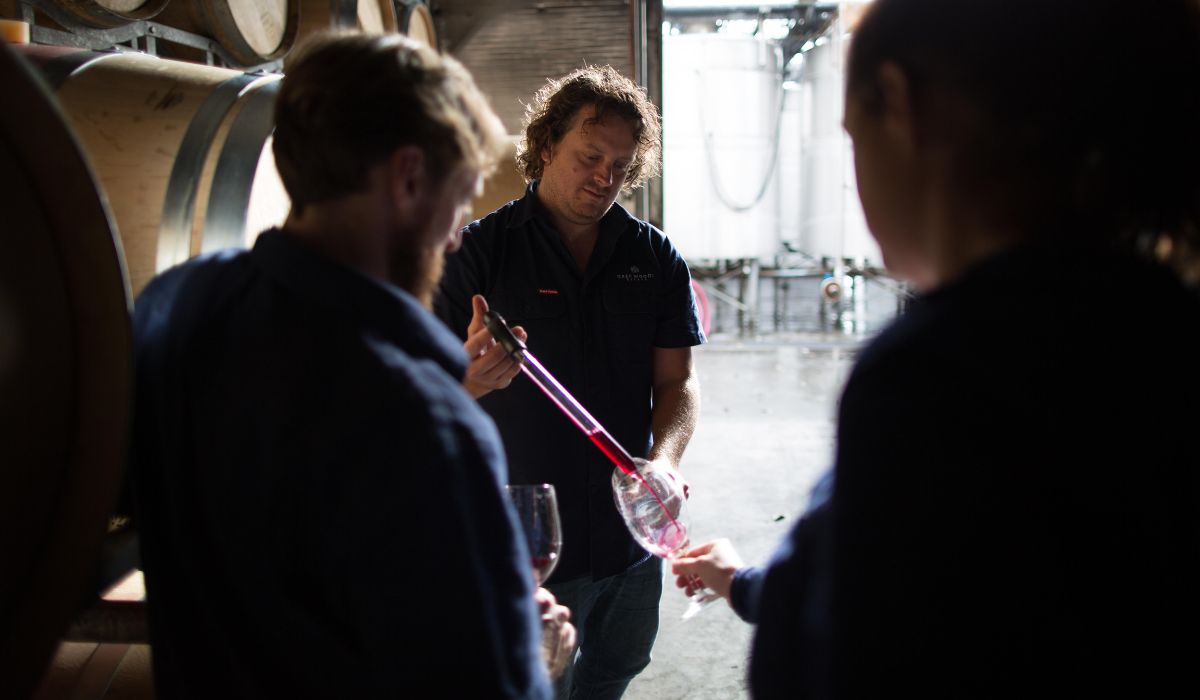
Today, cabernet is present in all Australian regions, part a function of the old ‘fruit salad’ approach, and naturally also from identifying the most suitable sites for elevated examples. “The days of bottled sunshine are long gone,” Julian says. “We just can’t afford to make commodity wines at our cost of labour, land and power. We’ve got to talk about what’s special where, and from a relatively premium point of view.”
That angle is increasingly important, with companies like Treasury investing in cabernet, buying vineyards, and replanting and reworking existing ones. The sentiment was shared by Penfolds winemaker Henry Slattery last year at a media launch, where he noted that they couldn’t get enough of the grape, before emphasising that the demand was for premium fruit suitable for higher end production.
No doubt, the lifting of unworkable Chinese tariffs on Australian wine earlier in that year provides some background to that remark at a time where most people were talking about a surplus issue, and still are. “Australian wines have been well-characterised in China,” Julian adds. “Australia is seen as this lovely, unpolluted place that has great food produce and wine, which is a great position for us to be in. And in China, cabernet is king.”
That’s supported by the Wine Australia export figures for the 2024/25 financial year, with 42 per cent by value of all packaged wine exported going to China, and an astonishing 63 per cent of exported cabernet. (However, it is yet to be seen if these export figures in the recently renewed trade relationship with China represent a bubble of over enthusiasm or are an indicator of sustainable growth.) The next biggest importer of Australian cabernet sits at 7 per cent – and besides, that’s Hong Kong.
Those packaged figures are well down on the volume high of 2018, but they are significantly up on value, at an all-time high for the grape. Shiraz was above average $10.50 per litre ($9.36 for all grapes), while cabernet sat at $16.73. For comparison, chardonnay was $4.89 and pinot noir $7.18.
Julian’s Nocturne label is imported into the UK, with the Cabernet easily outstripping the sales of Chardonnay, which is the reverse here. “Cabernet is the global grape variety. The Bordelaise did that for us,” he says. “From a Deep Woods point of view – and that’s a much bigger sample set – our top export wines are cabernet or cabernet blends.”
Back home, the enthusiasm is not always as universal. “I’m a firm believer that cabernet is at the top of the tree for grape varieties, with an incredible amount to offer,” says Kate Goodman, head winemaker at Coonawarra’s Penley Estate. “But it’s not the sexy variety. It potentially has a bit of an image problem. But it can be so many things! It can be preservative free, it can be whole bunched, it can have extended skin contact, it can be whole berry, it can be this early release, fragrant wine, and it can be beautiful, serious and complex.”

Joshua Cooper is working from slightly less-storied regions for his eponymous label, but also ones that don’t carry the same baggage as say Coonawarra – arguably the touchstone for the stereotypical older Australian cabernet drinker. “From where I’m from, but more Central Victoria rather than Macedon, all the great older vineyards were largely cabernet. It suits the climate. It’s an aromatic variety when it’s not picked overripe, so the big diurnal swings are perfect for proper tannin and proper flavour. The wines aren’t heavy. More midway, European savoury styles.”
Reflecting that regional identity is key for Kate, with the more contemporary quest for balance and quiet winemaking over heft highlighting how individual our best areas are.
“In the context of Coonawarra, it’s never going to look like Yarra Valley cabernet or Margaret River cabernet,” she says. “And that’s part of the beauty of making wine – wine with integrity – is it does actually come from somewhere. And if you can see where it comes from – if we haven’t masked that – then we’re doing a really great job. It’s part of the joy of why I do what I do.”
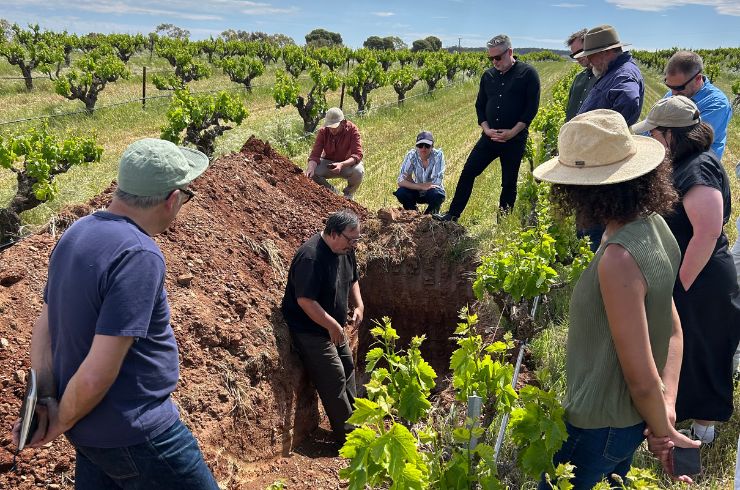
Winemaking is just part of the story, with improved viticultural practices a key driver of wine quality. “Things have changed remarkably, and they’ve continued to change from soil health to vine health in general,” says Julian. “We’re getting more beautiful, balanced vines, and you get more beautiful, balanced tannins, and that’s everything with cabernet. Once you get those tannins right, that’s when the fruit gets to shine, and the characters of the site express themselves.”
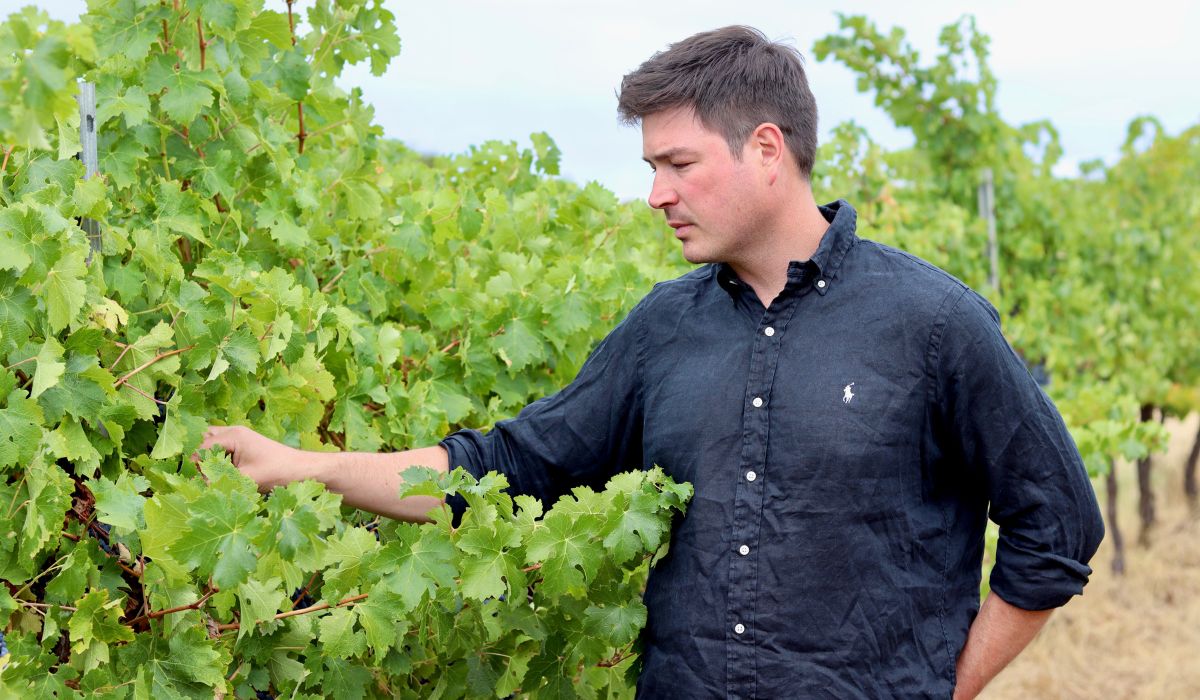
While well-established, Josh is in the vanguard of younger makers, which makes cabernet an interesting focus. Given the latest release contains five bottlings, it’s no afterthought.
“My market’s funny,” he says. “It’s either people my kind of age and into more avant-garde stuff, or lawyers and bankers, that kind of crowd. My father-in-law loves the Claret, for example, because it tastes like something he had in the ’80s. They’re fresh enough to appeal to younger people, or how people drink now, but they have enough flavour and stuffing and tannin complexity that they please the older crowd as well. They’re not hard to sell.”
Julian also believes the demographic is shifting, with the resistance to cabernet in some markets softening. “It became so uncool, but it’s becoming cool again,” he says. “On recent trips to Sydney, a lot of the very cool Sydney somms are like, ‘Well, I love cabernet; we drink cabernet.’ And that wasn’t the message three or four years ago. People are also starting to see the value. In a great year like ’23, we’re putting out wines that are just mind-numbingly good for $25, which you can cellar for a decade or take home to drink tonight. I don’t think there’s another value proposition like that in Australia.”
While it may take some time for the cabernet tide to fully turn here, the signs are certainly promising for the future, even if it still might be a long game for broad acceptance. “What we do have is amazing viticulture and some amazing sites, which we’re continuing to refine,” Julian concludes. “That really is our job. In my lifetime in Margaret River, I’m hoping to produce some of the best cabernets, not just from an Australian point of view, but hopefully on the world stage.”
This article first appeared in issue #81 of Halliday magazine. Become a member to receive all four issues delivered to your door per year, plus digital access to over 185,000 tasting notes from 4000+ wineries and distilleries, and much more.
Join Halliday Wine Club to drink the very best of Australian and New Zealand wine
Are you an explorer, enthusiast or collector? No matter the Halliday Wine Club plan you choose, each month we'll deliver two bottles of 95+ point wines direct to your door. From $89 per month. You can skip, pause or cancel anytime. Join now.
More from Marcus Ellis
-
From the tasting team
Seriously savvy blanc: Marcus Ellis on the producers doing justice to this ubiquitous grape
10 Nov 2025 -
From the tasting team
Marcus Ellis shares insights from the latest Alkina Grenache Assembly
27 Oct 2025 -
From the tasting team
Future Perfect: Marcus Ellis looks at what lies ahead for McLaren Vale
24 Sep 2025