No-one can sniff at Spain’s stats. As countries go, it has the largest area under vine on the planet and is the third largest producer in the EU after France and Italy. But as we all know only too well, size isn’t everything in the world of wine, right?
Like other major wine countries, Spain is undergoing significant changes for a variety of reasons, including a shortage of workers, limitations on products that can be used in the viti/vini cycle, and an ever-increasing need to adapt to climate change.
Spain must adapt to survive, and it is. Ten years ago, the Spanish wine federation implemented a certification system called Sustainable Wineries for Climate Protection, much of it aligned with the Sustainable Development Goals of the United Nations. This alone has initiated widespread more-responsible practice. Meanwhile, under the Spanish Wine Technology Platform (PTVino), research and development – to promote quality and innovation – is rife. One of the important consequences of this r+d is less planting and more focus on varieties that can withstand climate change. Both sensible moves.
The combination of all this official outlay with new winemaking talent and a thirst for innovation has meant Spanish wines and regions that were once considered esoteric at best are now producing exquisite bottles. Meanwhile, more-traditional regions that seemed to trade on the general mantra that bigger, bolder and heavier means better are now producing multi-dimensional, even dynamic wines.
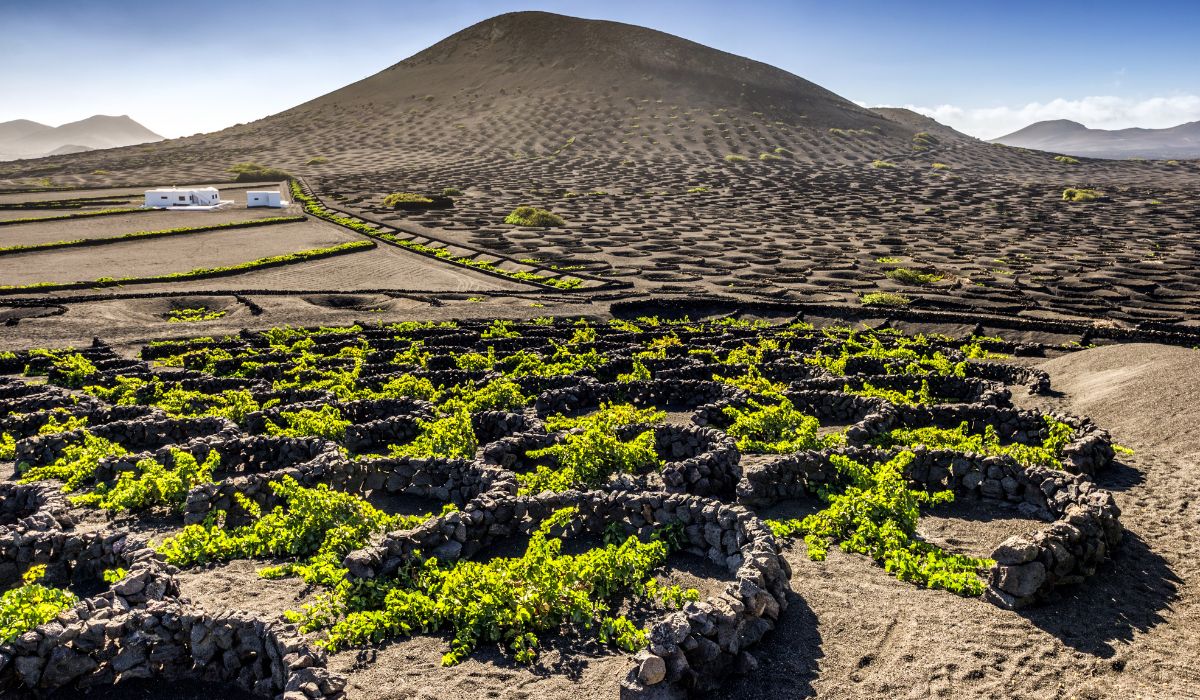
A good case in point these last few years has been Spain’s offshore wine scene. The islands, whose volcanic soils give wines that coveted mineral kick, are being taken more seriously with every day.
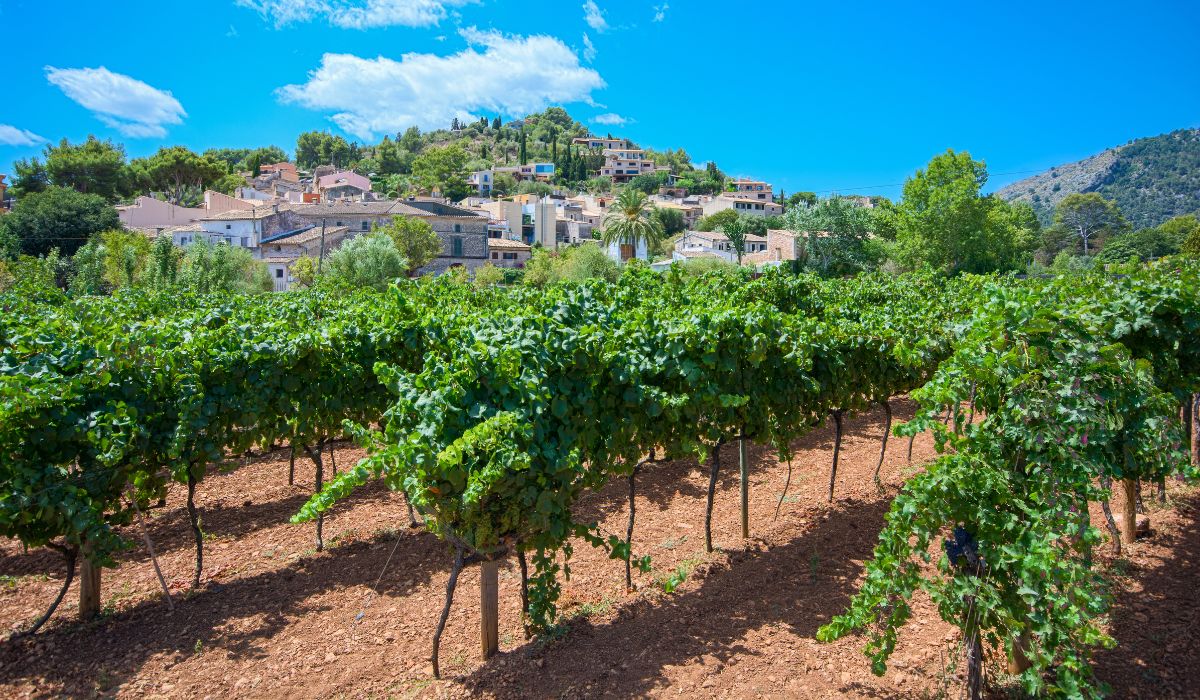
The Balearic Islands’ main serious wine outpost is Mallorca, which historically saw 27,000 hectares slashed to 700 as land was clawed back for tourism. It’s refreshing to see that on the current Mallorca wine scene, individuality rules, thanks to a slew of native grapes such as manto negro, callet, fogoneu and fogoneu francés making unique reds while moll, prensal blanco, moscate, parellada and macabeo provide intriguing appeal on the white side. Some of these whites especially possess a staggering fragrance and a real appetite-whetting salinity.
The Canary Islands too, is forever gathering more headlines and can easily be found represented on any half-decent restaurant wine list these days, in the UK at least. The umbrella denominación de origen (DO) Islas Canarias covers all seven of the main islands, while Lanzarote, Gran Canaria, La Gomera, La Palma and El Hierro each have their own DOs, and Tenerife – the most visible of them all on export markets – is segmented into five DOs.
Deep into the centre of Spain’s mainland – historically passed off as a hub for mass market gluggers – has a newer, fresher identity too. I’m all in for regions like DO Manchuela in the south-eastern corner of Castilla-La Mancha. Happily separated from DO La Mancha 25 years ago, it has since delivered serious quality from its lofty breezy plateau where the concentration of organic production is high. Here, bobal rules as the most planted grape and typically produces insane aromatics while bursting with ripe-fruit flavours.
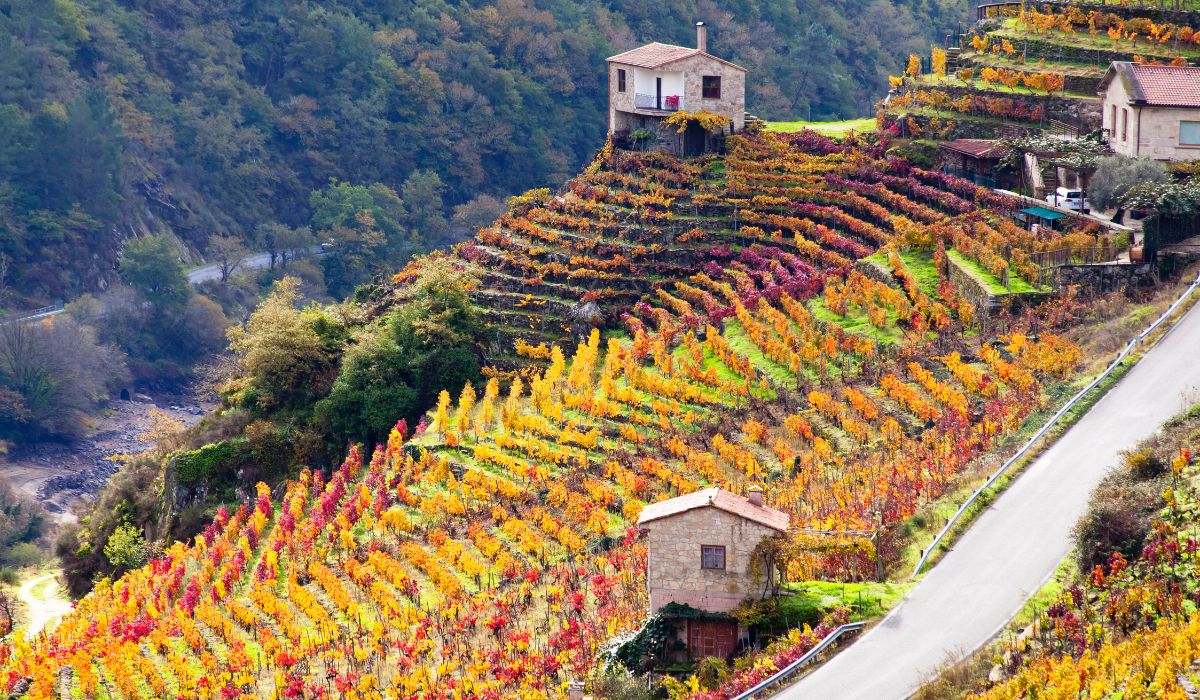
Further north, Galicia might be well considered for whites godello and the ever-improving albariño, but it’s the red scene that really piques my interest here at the moment. The mencías might have been a little ‘wild’ in the past, but with Galicians borrowing a little mencía know-how from their neighbours in Bierzo, these crunchy reds have breezy acidity and high-toned aromatics, especially in Ribeira Sacra, Galicia’s only DO where red wines dominate.
It feels like changes are afoot in every pocket of this vast winemaking country at the moment. From the resurrection of almost-extinct varieties to embracing the changes necessary for climate change, there’s a widespread commitment to expressing the grape, site and origin. With that follows a natural individuality that will hopefully serve Spanish wine very well in the long term.
12 Spanish wines to try
2022 Comando G Rozas, Vino de Pueblo Tinto, Spain
14.5% alc. RRP 105, drink by 2032
Being organic, biodynamic and with a long and gentle whole-grape maceration, this is one of the OG Vino de Pueblo DO wines and it does its designation proud with its intoxicating aroma of ripe red fruits and dusting of sweet spices. The palate lives up to the nose – fresh, smooth and well-integrated tannins, finishing long.
2020 Clos i Terrasses Laurel, Priorat, Spain
15% alc. RRP 125, drink by 2030
CIT’s story is essentially Priorat’s story, in that Daphne Glorian thought back in the late '80s that this region’s old garnacha vines would make serious wine. This organic garnacha, syrah and cab sauvignon blend doesn’t overstretch its inherent power; balanced and complex, expressing dark fruits, a whiff of violets and plenty of charm.
2022 Juan Antonio Ponce P.F., Manchuela, Spain
13.5% alc. RRP 38, drink by 2032
PF, short for Pie Franco, translates as ungrafted. This once-derided grape has been turned into something quite extraordinary in this wine’s most-recent vintages. It’s a bobal that’s lighter than many counterparts, ethereal with hedgerow earthiness alongside that classic bobal juiciness.
2018 4 Kilos 4 Kilos, VdT de Mallorca, Spain
12% alc. RRP 130, drink by 2032
This only-native-varieties brand collab is between Anima Negra’s winemaker Francesc Grimalt and musician Sergio Caballero. Grimalt is partly responsible for saving callet, of which this is mostly made. It’s a stunning example of this grape’s potential; savoury and sweet, flavoursome yet elegant. Supreme balance.
2016 Remelluri, Rioja Reserva, Spain
13.4% alc. RRP 140, drink by 2036
Telmo Rodríguez needs no introduction, and this flagship Rioja sets the benchmark in all sorts of ways. Mainly tempranillo with a touch of garnacha, graciano and white grapes, it’s smooth, layered with black fruits and sweet tobacco. Plus, it always tastes best out of magnum.
2022 Bien de Altura Ikewen Listan Negro, Gran Canaria, Spain
12.5% alc. RRP 101, drink by 2030
This tiny project was founded by energetic native Carmelo Peña who takes fruit from super-high altitude old vines resurrected through careful biodynamic farming. A blend of native listán negro and listán prieto grapes, it’s part-aged in used barrels and deliciously perfumed while being zesty yet mellow on the palate. A real find.
NV Colet Navazos Extra Brut Tradicional Brut Nature, Penedès, Spain
12% alc. RRP 100, drink by 2030
A brilliant collab between Sherry legends Equipo Navazos and one of Cava’s most thoughtful producers, Colet. This traditional method 100% xarel-lo has flor yeasts and uses pedro ximénez for dosage. It works. This delicious and unique experiment has hints of sherry pepping up the toasty citrus base.
2020 Suertes del Marques, 7 Fuentes, Tenerife, Spain
13% alc. RRP 44, drink by 2027
One of the island’s leading producers has made a deft red from this blend of native grapes listán negro and castellana negra (tinta cão). It sings with floral spicy notes on the nose while the palate has all that volcanic-soil edge. Smoky, spicy, herbal and distinct.
2021 Viña Zorzal Cuatro Del Cuatro, Navarra, Spain
14% alc. RRP 63, drink by 2029
The second generation of the Sanz family are obsessed with freshness and as a result, are now crafting moreish wines from their estate fruit. This graciano only spends four months in barrel, so it’s bright in blueberry fruit with a healthy dose of herbs.
2021 Fedellos, As Xaras Mencía, Ribeira Sacra, Spain
13.5% alc. RRP 60, drink by 2028
With its crunchy freshness, this is unmistakably from Galicia. Here, mencía is crafted into something bracingly fresh with cherry juiciness practically popping out of the glass, super-fine tannins and a gentle two-month maceration that brings out all that violet perfume.
2018 Castro Ventosa El Castro de Valtuille Joven, Bierzo, Spain
14% alc. RRP 25, drink by 2027
From an ancient winemaking family dating back to C18, under today’s stewardship of rising star César Márquez, the wines are ultra-modern and crunchy-fresh with a black olive tang to its chorus of bright black fruit flavours, all carefully aged in oak. Fabulous value.
2024 Gaintza Txakolina, Spain
11.5% alc. RRP 41, drink by 2028
In a world where zesty spritzy whites can sometimes be vastly overlooked, this Basque txacoli is an eye-popping zing-fest that shouldn’t be ignored. A blend of the main grape of the region hondarrabi zuri, together with a small dollop lesser-known hondarrabi beltz, it’s a fresh-lime belter
This article first appeared in issue #81 of Halliday magazine. To receive the magazine, unlock digital access to over 185,000 tasting notes, and more. Become a member now.
Expand your knowledge with Halliday Wine Academy
Halliday Wine Academy offers an in-depth view of the Australian and international wine landscapes. Select Introduction to Wine to learn about Australian wine and regions or choose from one of our Wines of the World courses to get to know international wines.
Wines of the World: Europe explores the iconic wines, regions and laws of France, Spain, Portugal, Hungary, Germany and Austria, while Wines of the World: Europe and Beyond delves deeper into Italy, Greece, the Americas, South Africa and New Zealand.